

Medical Universities in Bulgaria: Costs, Admission Requirements
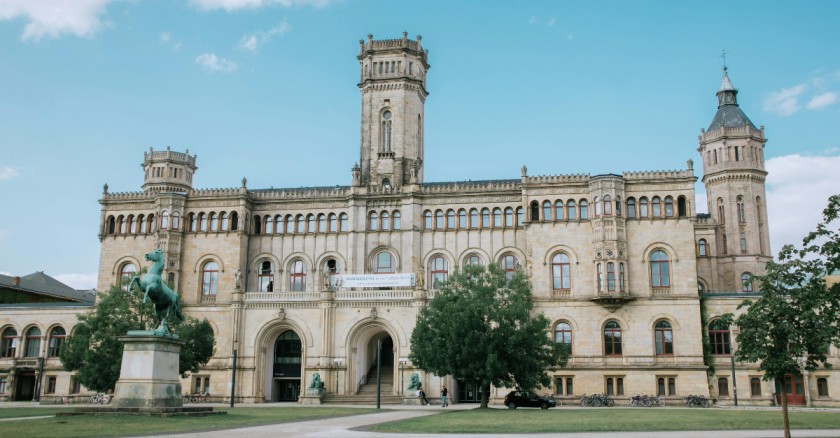
Bulgaria has rapidly emerged as one of Europe’s most attractive destinations for medical education. With EU-recognized degrees, English-taught programs, and relatively affordable tuition fees, the country draws thousands of international students every year.
What makes Bulgaria particularly compelling is the balance between quality, affordability, and global mobility. Most medical programs follow a 6-year MD structure aligned with European Union standards, allowing graduates to pursue careers across Europe, the UK, the US, and beyond.
This blog provides a comprehensive, data-backed breakdown of top medical universities in Bulgaria, including tuition fees, admission requirements, and accreditation.
Top Medical Universities in Bulgaria (Data Table)
Below is a structured comparison of the leading institutions:
| University | City | Tuition Fees (€ / year) | Duration | Entrance Exam | Subjects | Min Academic Requirement | Accreditation | Global Recognition |
| Medical University – Sofia | Sofia | 9,950 | 6 years | Yes | Biology, Chemistry, English | 60%+ | WHO, NMC, National Agency | USMLE, PLAB |
| Medical University – Varna | Varna | 10,000 | 6 years | Yes | Biology, Chemistry | 60%+ | National Agency, GMC-recognized | USMLE, PLAB |
| Medical University – Plovdiv | Plovdiv | 9,000 | 6 years | Yes | Biology, Chemistry | 60–62%+ | WHO, EU | USMLE, PLAB |
| Medical University – Pleven | Pleven | 9,000 | 6 years | Yes | Biology, Chemistry | 60%+ | WHO, EU | USMLE, PLAB |
| Trakia University | Stara Zagora | 9,000 | 6 years | Yes | Biology, Chemistry | 60%+ | EU, WHO | USMLE, PLAB |
| Sofia University “St. Kliment Ohridski” | Sofia | 7,700 | 6 years | Yes | Biology, Chemistry | 60%+ | EU, National | USMLE, PLAB |
Key Insight: Tuition fees typically range between €7,700 and €10,000 per year, making Bulgaria significantly more affordable than Western Europe.
Cost of Studying Medicine in Bulgaria
Tuition Fees
- Average annual tuition: €7,000 – €10,000
- Paid in two installments per year
Living Costs
- Estimated yearly cost (including rent, food, transport):
€5,000 – €8,000 per year
This brings the total annual cost to approximately:
€12,000 – €17,000 per year
Compared to countries like the UK or USA, this is 40–70% lower, making Bulgaria a high ROI destination.
Admission Requirements (Detailed Breakdown)
Admission into Bulgarian medical universities is standardized but competitive, with emphasis on science knowledge and entrance exams.
- Academic Eligibility
Students must have:
- Completed high school (12th grade or equivalent)
- Strong background in:
- Biology
- Chemistry
Typical requirement: Minimum 60–62% in Biology and Chemistry
- Entrance Exams
Most universities require an entrance exam consisting of:
- Biology
- Chemistry
- English (in some universities)
- Format:
○ MCQs, short answers, or mixed formats
- Mode:
○ Online or on-campus
These exams are a key selection factor, often more important than school grades.
- Required Documents
Students must submit:
- Passport copy
- High school transcripts
- Application form
- Medical certificate
- Proof of English proficiency (if required)
- Legalized and translated academic documents
Additional (for some countries):
- NEET qualification (for Indian students)
- Admission Process (Step-by-Step)
- Choose university
- Submit application + documents
- Appear for the entrance exam
- Receive admission offer
- Pay initial fees
- Apply for student visa
Accreditation & Global Recognition
One of the strongest advantages of studying in Bulgaria is international accreditation.
Recognizing Bodies
Most universities are accredited by:
- World Health Organization (WHO)
- National Medical Commission (India)
- National Evaluation and Accreditation Agency (Bulgaria)
- European Union education framework
Some universities (like Varna) are also recognized by:
- General Medical Council (UK)
- Australian Medical Council
What This Means for Students
Graduates can:
- Practice in the European Union
- Apply for:
- USMLE (USA)
- PLAB (UK)
- Licensing exams worldwide
This makes Bulgarian degrees globally portable and career-flexible.
Structure of Medical Programs in Bulgaria
Medical education follows a standard European model:
- Years 1–2: Basic sciences (Anatomy, Physiology, Biochemistry)
- Years 3–5: Clinical subjects (Surgery, Medicine, Pediatrics)
- Year 6: Internship / clinical rotations
This ensures strong theoretical and practical training.
Why Students Choose Bulgaria for Medicine
- Affordable Yet High-Quality Education
- Lower tuition compared to Western countries
- High academic standards
- English-Taught Programs
- No need to learn Bulgarian initially
- Language taught alongside coursework
- Early Clinical Exposure
- Many universities provide hospital training from early years
- EU Degree Advantage
- Freedom to work/study across Europe
- Growing International Student Community
- Thousands of students from Asia, Africa, and the Middle East
Challenges to Consider
While Bulgaria is an excellent destination, students should be aware of:
- Entrance exams can be competitive
- Language barriers during clinical practice (patients may speak Bulgarian)
- Licensing exams required for practice in some countries
Final Conclusion
Bulgaria offers a compelling combination of affordability, quality, and global recognition in medical education. With structured admission processes, internationally accredited degrees, and strong clinical training, it provides a clear and practical pathway into global medical careers.
For students seeking an alternative to expensive Western medical schools, Bulgaria stands out as a strategic and future-ready choice.