

Study Abroad Preparation for Indian Students: 10 Steps to Success in 2026–27
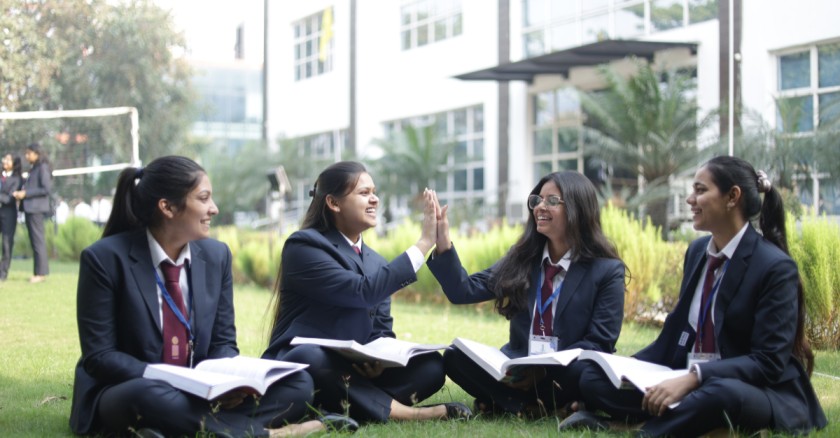
Studying abroad is no longer just a dream—it’s a strategic career move for millions of Indian students. With over 1.8 million Indians studying overseas in 2025, global education is becoming more competitive and structured than ever before.
By 2026–27, experts estimate that 750,000+ students will apply annually, driven by better career prospects, global exposure, and evolving job markets.
However, success in this journey depends less on luck—and more on early planning, data-driven decisions, and execution.
This guide breaks down the 10 essential steps Indian students must follow to succeed in the 2026–27 study abroad cycle.
Why Study Abroad in 2026–27? (Key Trends)
Before diving into steps, here are important trends shaping decisions:
- Rapid growth: Indian outbound students increased significantly in recent years
- Top destinations: USA, UK, Canada, Australia, Germany
- Shift in mindset: Students now prioritize ROI, employability, and skills
- AI adoption: Over 50% of students use AI tools for research and decisions
- Cost sensitivity rising: More students exploring affordable destinations in Europe
Conclusion: Studying abroad is now a planned investment, not an impulsive decision.
Step-by-Step Study Abroad Roadmap (2026–27)
-
Define Your Career Goal (Foundation Step)
Most students make the mistake of choosing a country first.
Instead, ask:
- What career do I want in 5–10 years?
- Do I want PR, job experience, or research?
This step determines everything—country, course, and ROI.
-
Choose the Right Intake & Timeline
A typical study abroad timeline:
- 18–24 months before intake: Research
- 15–18 months: Test preparation
- 12–15 months: Shortlisting universities
- 9–12 months: Applications
- 3–6 months: Visa and travel
Missing deadlines can result in losing an entire academic year.
-
Select the Right Country (Data-Driven Decision)
Do not follow trends blindly.
Evaluate:
- Post-study work visas
- Job market demand
- Cost of living
- Immigration policies
Example:
- Canada: PR-friendly but stricter visa policies
- Germany: Low cost and strong STEM demand
- UK: Strong job market with a 2-year post-study work visa
-
Shortlist Universities & Courses Strategically
Avoid assuming that top-ranked universities guarantee success.
Instead, focus on:
- Course curriculum relevance
- Internship opportunities
- Industry alignment
Employers increasingly prioritize skills over rankings.
-
Prepare for Standardized Tests
Common exams include:
- IELTS / TOEFL (English proficiency)
- GRE / GMAT (for specific programs)
Early preparation improves:
- Test scores
- Scholarship opportunities
- Admission chances
-
Build a Strong Profile (Your Hidden Advantage)
Strong applicants focus on:
- Internships or work experience
- Projects and certifications
- Extracurricular activities
This is what differentiates candidates in competitive applications.
-
Prepare Application Documents
Key documents include:
- Statement of Purpose (SOP)
- Letters of Recommendation (LOR)
- Academic transcripts
- Resume
A strong SOP should combine storytelling, clarity, and career alignment.
-
Financial Planning & Scholarships
Costs include:
- Tuition fees
- Living expenses
- Visa and travel
Funding options:
- Scholarships
- Education loans
- Grants
Poor financial planning is one of the most common reasons for delays or rejections.
-
Apply for Student Visa
Visa approval depends on:
- Financial proof
- Documentation accuracy
- Interview performance
Strong documentation significantly improves approval chances.
-
Pre-Departure & Arrival Planning
Final steps include:
- Accommodation booking
- Health insurance
- Currency and banking setup
- Travel arrangements
Housing shortages in major cities make early booking essential.
Common Mistakes Indian Students Make
Avoid:
- Choosing a country based on trends
- Ignoring timelines
- Submitting weak SOPs
- Not having a backup plan
- Poor financial planning
Pro Tips for 2026–27 Success
- Start at least 18 months early
- Use AI tools for research and comparisons
- Keep a backup country or intake option
- Focus on skill development
- Stay updated on visa and policy changes
Final Thoughts
Studying abroad in 2026–27 is not just about going overseas—it is about building a long-term global career strategy.
Students who succeed are those who:
- Plan early
- Make informed, data-driven decisions
- Stay adaptable in a changing global environment
If approached like a structured project with clear milestones, the chances of success increase significantly.