

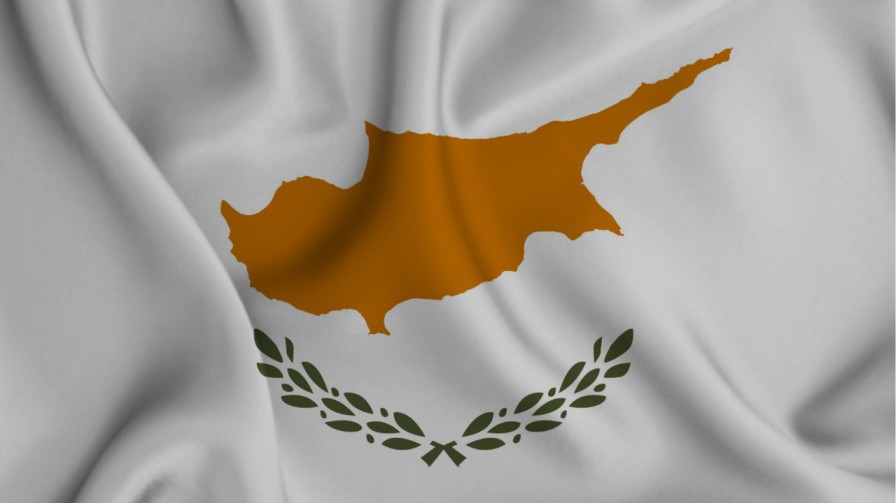
Cyprus — a beautiful Mediterranean island nation and part of the European Union — is becoming an increasingly popular study-abroad destination thanks to its affordable tuition, English-taught degrees, multicultural campuses, and strategic European location.
Why Choose Cyprus for Higher Education?
Affordable & Quality Education
- Bachelor’s degrees usually cost €3,000 – €8,000 per year at public and private universities.
- Master’s programs typically range €4,000 – €12,000 per year.
- Specialized programs such as Medicine, Dentistry, or Pharmacy are more expensive (~€10,000 – €22,000+).
- Living costs are relatively low — around €500 – €900 per month including accommodation, food, transport, and personal expenses.
English-Friendly & International
- Many programs at major universities are taught in English, removing the need to learn Greek for academics.
- Cyprus has a multicultural student community from Europe, Asia, Africa, and beyond.
Work & Career Opportunities
- International students can work up to 20 hours per week during semesters and full-time during holidays.
- Cyprus degrees are EU-recognised, which helps with career mobility, internships, and further study across Europe.
Top Universities in Cyprus for 2026
Here are some of the most popular choices for international students:
Public Universities
- University of Cyprus (UCY) – Flagship research university with strong programs in Engineering, Humanities, Business, and Social Sciences.
Tuition (non-EU): ~€6,834/year.
- Cyprus University of Technology (CUT) – Focus on applied sciences, IT, Engineering, Nursing, and Design.
Private Universities
- University of Nicosia (UNIC) – Largest private university, strong in Medicine, Business, Law, Computer Science, and Health Sciences.
- European University Cyprus (EUC) – Known for Medicine, Health Sciences, Business, Psychology, and Law.
- Frederick University – Offers programs in Engineering, Maritime Studies, Design, and Business.
- Neapolis University Pafos – Diverse international campus with Architecture, Law, Psychology, etc.
Northern Cyprus options like Cyprus International University and Eastern Mediterranean University exist but may not be officially recognised across the EU — always check accreditation before applying.
Popular Courses & Fields of Study in 2026
Cyprus offers a wide range of study programs. Here are some of the most sought-after:
Undergraduate (Bachelor’s)
- Business Administration & Finance
- Information Technology & Computer Science
- Engineering (Civil, Electrical, Mechanical)
- Tourism & Hospitality
- Psychology & Social Sciences
- Architecture & Design
- Law & International Relations
Postgraduate (Master’s)
- MBA (Business Administration)
- MSc in Data Analytics, Computer Science, IT
- MA in Psychology, Education, Public Health
- MSc in Environmental Management
- MSc in Hospitality & Tourism Management
Duration: 1–2 years, typical intake in September (Fall) and sometimes February (Spring).
Doctoral Degrees (PhD)
- PhD in Business, Computer Science, Education, Psychology, etc.
Duration: 3–5 years.
Admission & Eligibility Checklist
Undergraduate Entry
- Completed high-school/12th grade certificate.
- Most programs don’t require entrance exams.
- English proficiency (IELTS/TOEFL) may be required, though some universities accept internal tests or a certificate of instruction in English.
Postgraduate Entry
- Bachelor’s degree in a relevant field.
- Some competitive programs ask for statement of purpose, interview, or letters of recommendation.
PhD Entry
- Master’s degree and a detailed research proposal.
Student Visa & Requirements
To study in Cyprus, international students need a student visa/residence permit:
Common Requirements
- Valid passport
- Admission offer from a Cypriot university
- Proof of funds and accommodation
- Health insurance
- Police clearance (in some cases)
You should apply for the student visa at the Cyprus embassy or consulate in your home country well before your program starts.
Student Life in Cyprus
Living & Cost of Living
- Shared student housing: €250–€450/month
- Food & utilities: €150–€300/month
- Transport: €20–€40/month
Overall, living costs are generally lower than many Western European nations.
Student Culture
- Cyprus is known for a welcoming, international student culture.
- University clubs, sports, cultural festivals, and study groups are common across campuses.
Part-Time Work
- Students can work up to 20 hours per week during classes.
- Jobs are usually in hospitality, retail, and services — but finding work can vary by skill and local demand.
Scholarships & Financial Assistance
Many universities offer merit–based scholarships (up to 50–75% tuition support) for high-performing international students.
Early applications sometimes receive discounts, and some schools provide additional aid for specific talents or financial needs.
Cyprus as a Gateway to Europe
Graduating from a Cypriot university gives you:
✔ An EU-recognised degree.
✔ Opportunity to pursue further study or career options in other EU countries.
Quick Recap
Cyprus is a cost-effective, English-friendly, EU-accredited destination — ideal for students from India, Asia, Africa, and beyond. It offers flexibility in programs, balanced living costs, and a multicultural study environment that prepares graduates for global careers.