

Study in Japan and Singapore: A Comprehensive Guide for International Students
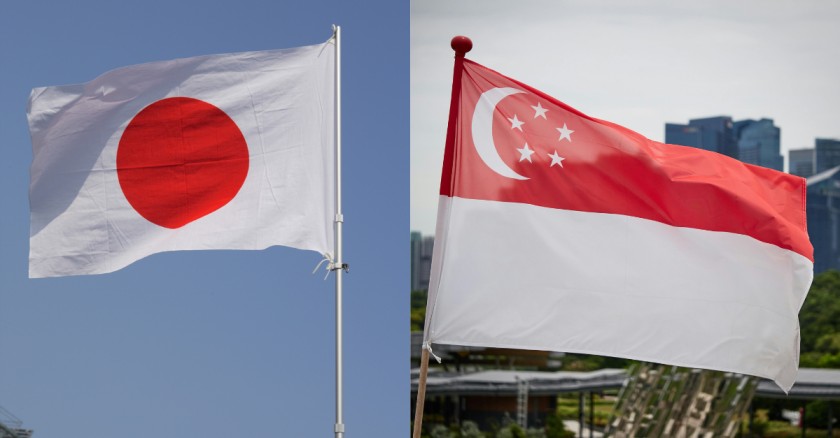
As global education trends shift toward Asia, countries like Japan and Singapore are emerging as powerful alternatives to traditional destinations such as the US and UK.
Both countries offer high-quality education, strong industry integration, and growing international student ecosystems, making them increasingly attractive for Indian students planning their 2026–27 study abroad journey.
This blog provides a detailed, data-based comparison and guide to studying in Japan and Singapore.
Why Consider Japan and Singapore in 2026–27?
Key Trends
- Japan hosted over 242,000 international students in 2025, expected to exceed 260,000 by 2026
- Singapore attracts 65,000+ international students annually, with strong participation from India
- Rising tuition costs in Western countries are pushing students toward affordable Asian alternatives
- Both countries are investing in globalization of education and English-taught programs
Conclusion: Japan and Singapore are no longer niche destinations—they are strategic education hubs in Asia.
Study in Japan: An Overview
- Education System and Global Position
Japan is known for:
- Advanced technology and research infrastructure
- Strong emphasis on innovation and engineering
- Globally respected universities
Many institutions now offer English-taught programs, making them accessible to international students .
- Cost of Studying in Japan
- Average annual tuition: ~¥550,000 (approx. ₹3–3.5 lakhs)
- Lower than US/UK and often comparable to Asian alternatives
- Living costs are moderate compared to Western countries
Japan is considered a cost-effective high-quality education destination.
- Eligibility and Requirements
Typical requirements include:
- Completion of 12 years of education (undergraduate)
- Bachelor’s degree (postgraduate)
- English proficiency (TOEFL/IELTS) or Japanese proficiency (JLPT)
- Entrance exams for some universities
- Career Opportunities
Japan offers strong job prospects, especially in:
- AI and robotics
- Software and IT
- Engineering and manufacturing
There is a growing demand for skilled foreign workers, particularly in tech sectors .
- Advantages of Studying in Japan
- Affordable tuition
- Strong research ecosystem
- High demand for STEM graduates
- Government scholarships (e.g., MEXT)
- Cultural and language exposure
- Challenges
- Language barrier (for Japanese-taught programs)
- Complex admission processes
- Cultural adaptation
Study in Singapore: An Overview
- Education System and Global Rankings
Singapore is globally recognized for:
- High academic standards
- Industry-oriented curriculum
- Top-ranked universities
Institutions such as National University of Singapore and Nanyang Technological University consistently rank among the world’s best .
- Cost of Studying in Singapore
- Tuition fees: S$17,000 – S$30,000/year (with subsidy)
- Without subsidy: up to S$60,000+
- Living expenses: S$750 – S$2,000/month
Although more expensive than Japan, Singapore offers strong ROI through job opportunities.
- Eligibility and Requirements
- Academic qualifications (12th grade or bachelor’s degree)
- English proficiency (IELTS/TOEFL)
- Standardized tests (GRE/GMAT for some programs)
English is the primary medium of instruction, eliminating language barriers.
- Career Opportunities
Singapore is a global business hub with strong demand in:
- Finance and banking
- IT and data analytics
- Business and management
Many programs include internships and industry exposure, improving employability.
- Advantages of Studying in Singapore
- English-medium education
- Globally ranked universities
- Strong job market
- Shorter course durations
- Strategic location in Asia
- Challenges
- Higher cost of living
- Competitive admissions
- Work bond requirement (for subsidized tuition)
Japan vs Singapore: Comparative Analysis
| Factor | Japan | Singapore |
| Tuition Fees | Lower (approx. ¥550,000/year) | Higher (S$17,000–60,000/year) |
| Language | Japanese + English programs | Fully English |
| Cost of Living | Moderate | High |
| Job Opportunities | Strong in STEM & tech | Strong in business, finance, IT |
| Global Rankings | Improving | Very high globally |
| Ease of Adaptation | Moderate | Easier |
Which Country Should You Choose?
Choose Japan if you:
- Want affordable education
- Are interested in technology, engineering, or research
- Are willing to learn a new language
- Prefer long-term career opportunities in Japan
Choose Singapore if you:
- Prefer English-only education
- Want strong global exposure and networking
- Are targeting careers in business, finance, or tech
- Can manage higher costs
Final Thoughts
Japan and Singapore represent two distinct but equally valuable study abroad pathways in Asia.
Japan offers affordability and strong technical education, while Singapore provides global exposure and high employability.
For the 2026–27 intake, students should focus on:
- Career goals
- Budget
- Language comfort
- Long-term settlement plans
Choosing between the two is not about which is better—it is about which aligns better with your academic and professional objectives.